
Understanding the Royal Enclosure at Hill of Tara
Learn what makes this 5,000-year-old site so significant. We break down the main structures you'll see and their historical importance.
Learn what makes this 5,000-year-old site so significant. We break down the main structures you'll see and their historical importance.

The Hill of Tara isn't just any archaeological site. For over 4,000 years, this place was the political and spiritual heart of Ireland. Kings were crowned here. Important decisions were made. Rituals were performed that connected people to the land itself.
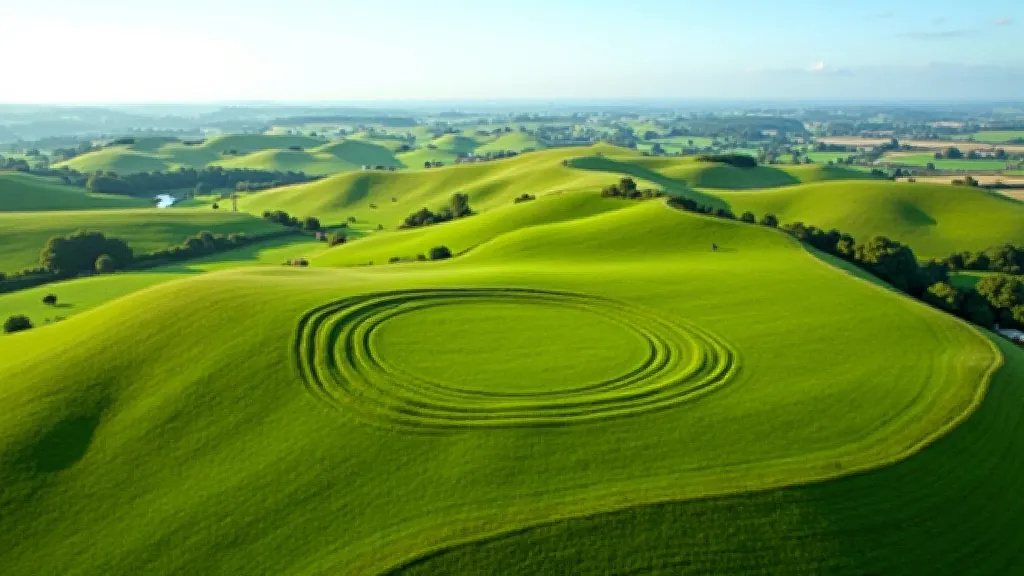
The Royal Enclosure sits at the very center of the site, and it's where you'll find the most impressive structures. We're talking about massive earthen banks that were built without modern tools — just human effort, planning, and a deep understanding of how to shape the landscape.
When you walk around the Royal Enclosure, you're literally walking in the footsteps of people who lived thousands of years ago. The banks are still high. The ditches are still deep. And the sense of purpose they convey hasn't faded one bit.
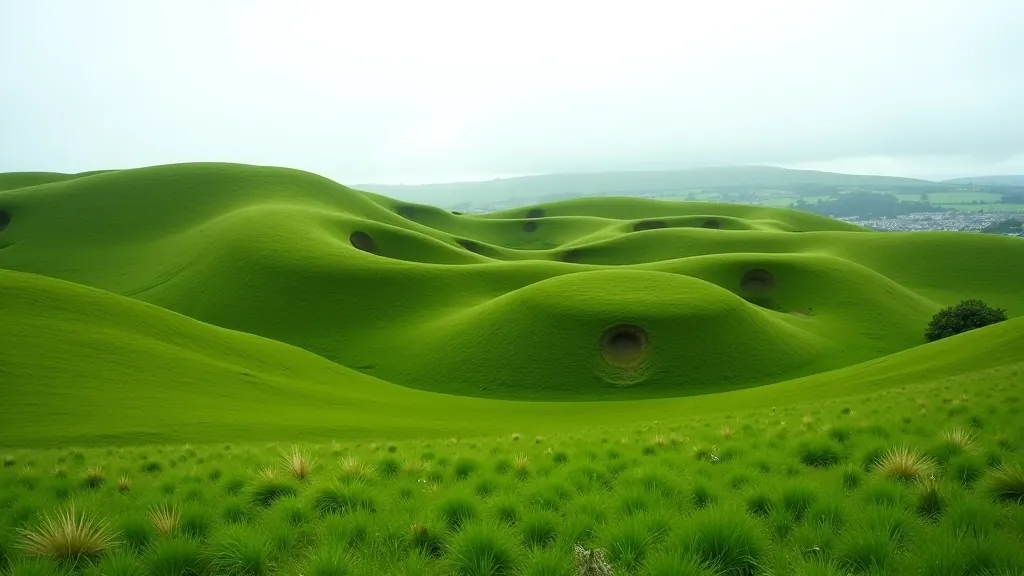
The Royal Enclosure has three distinct structures, and each one tells you something about how the ancient people organized their sacred space. They're not complicated to understand — once you know what you're looking at, the layout makes perfect sense.
This is the first structure you'll encounter when you enter the Royal Enclosure. It's a circular earthwork with two banks and two ditches. The inner ditch is about 2 meters deep — deeper than you'd expect when you first see it. The purpose? Protection, definitely. But also a way to separate the sacred inner space from the everyday world outside.
Councils and synods (church meetings) were held here in later centuries, which is where it gets its name. But long before that, it was used for ceremonies and gatherings that mattered deeply to the community.
Inside the Rath of the Synods, you'll find another circular enclosure — this one even more impressive. The outer bank rises about 4 meters high. It's the kind of earthwork that would've taken weeks of coordinated labor to build. The space inside was reserved for the highest-ranking individuals. Kings, druids, and the most important figures of the time gathered within these banks.
Walking around the top of this bank is one of the most powerful experiences at Tara. You're literally elevated above the surrounding landscape, and you can see for miles. That wasn't accidental — it was intentional design meant to show authority and connection to the land itself.
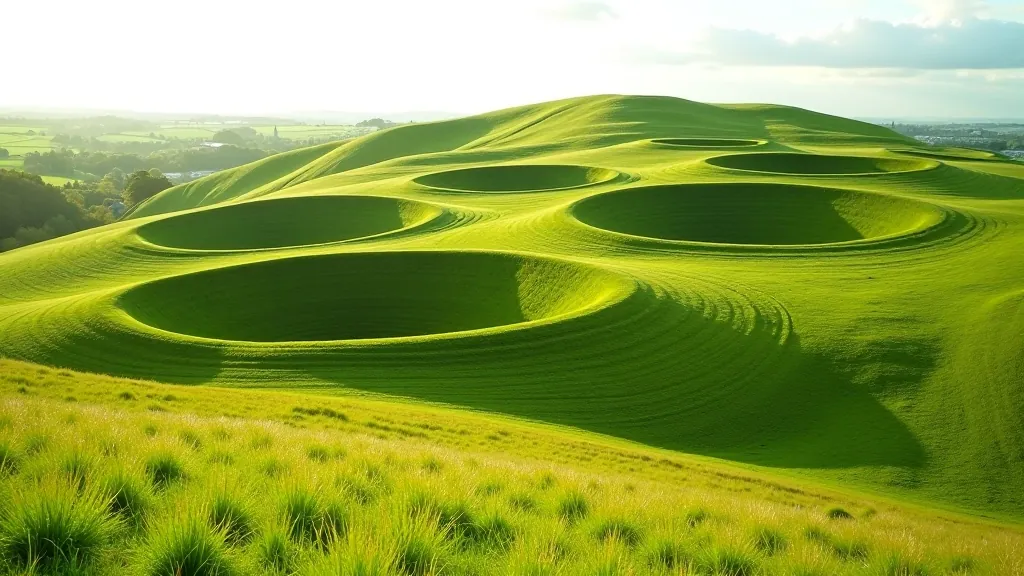
The Royal Enclosure at Tara hasn't been excavated like some archaeological sites. There's no reconstruction, no buildings, no interpretive centers inside the enclosure itself. What you see is what survived 5,000 years of weather, farming, and time.
That's actually better for your visit. You're not looking at someone's interpretation of what happened here — you're looking at the actual earthworks that people built. The banks are worn in places where feet have walked for millennia. The ditches still hold water after heavy rain. The whole thing feels real because it is.
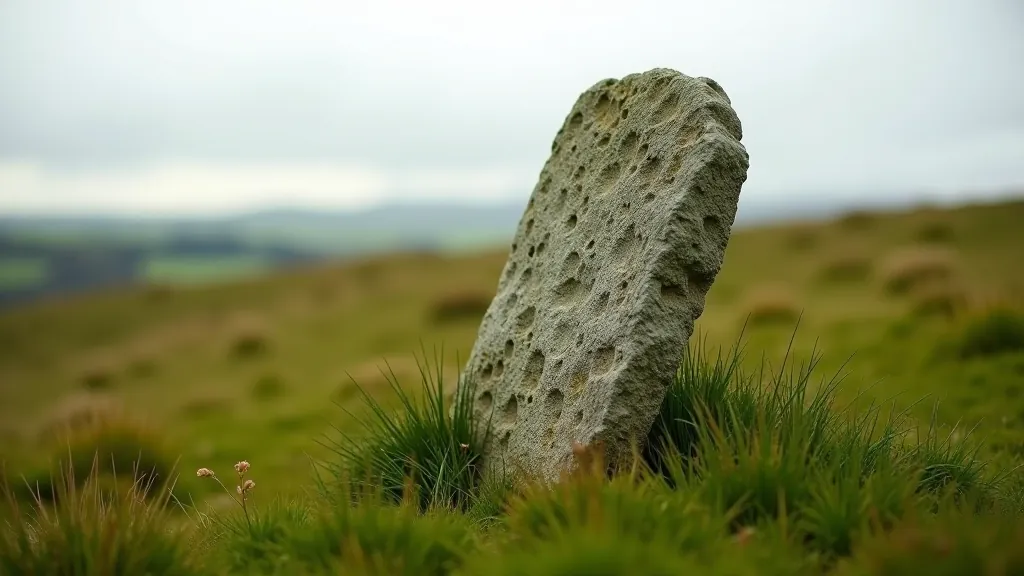
In the center of the Royal Enclosure stands a stone that's been there for thousands of years — probably. It's called Lia Fáil (the Stone of Destiny), and legend says it would cry out when the rightful king was crowned. Historically? It might've marked a sacred point, or it might've been used in rituals we don't fully understand anymore.
The stone itself is modest — not massive or dramatically carved. But its presence in that specific spot, at the heart of the Royal Enclosure, tells you this was a place where symbolism mattered enormously.


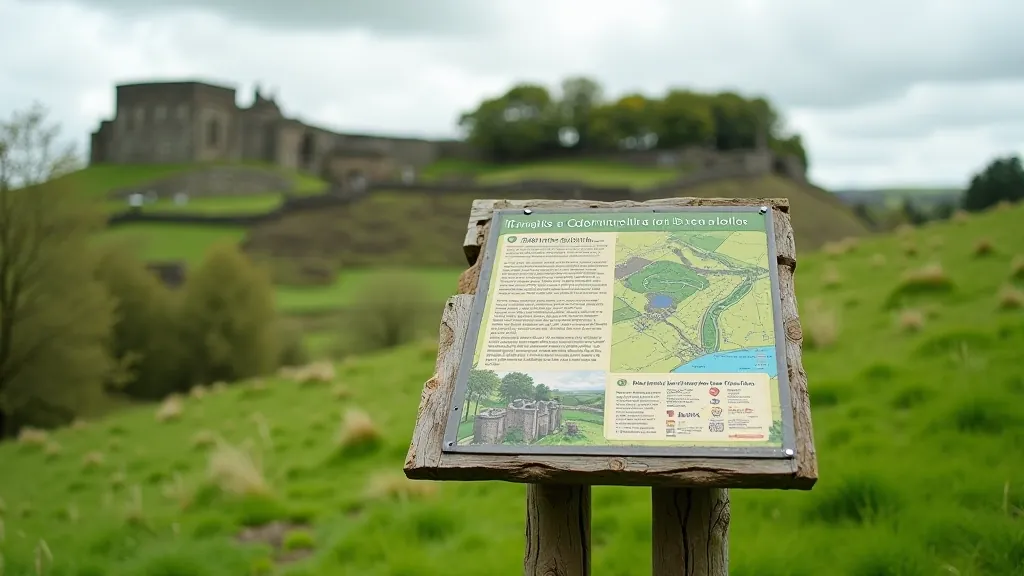
This article provides educational information about the Hill of Tara and its Royal Enclosure based on historical research and archaeological understanding. Information is accurate to the best of current knowledge, though new discoveries continue to shape our understanding of ancient Irish sites. Always check the official Hill of Tara visitor information for current access details, safety guidelines, and any site-specific restrictions before your visit. Physical conditions can change, so verify accessibility features match your personal requirements.
Standing at the Royal Enclosure, you're not just looking at old dirt banks and ditches. You're looking at evidence of a sophisticated society that understood how to organize power, how to mark sacred space, and how to build things that'd last millennia. The fact that those earthworks are still visible — still powerful — is remarkable.
When you visit Tara, take your time walking the Royal Enclosure. Walk around the top of the banks. Stand in the center near the stone. Feel the space. The people who built this wanted you to understand something about authority, about connection to the land, about what matters. Even across 5,000 years, that message comes through clearly.