
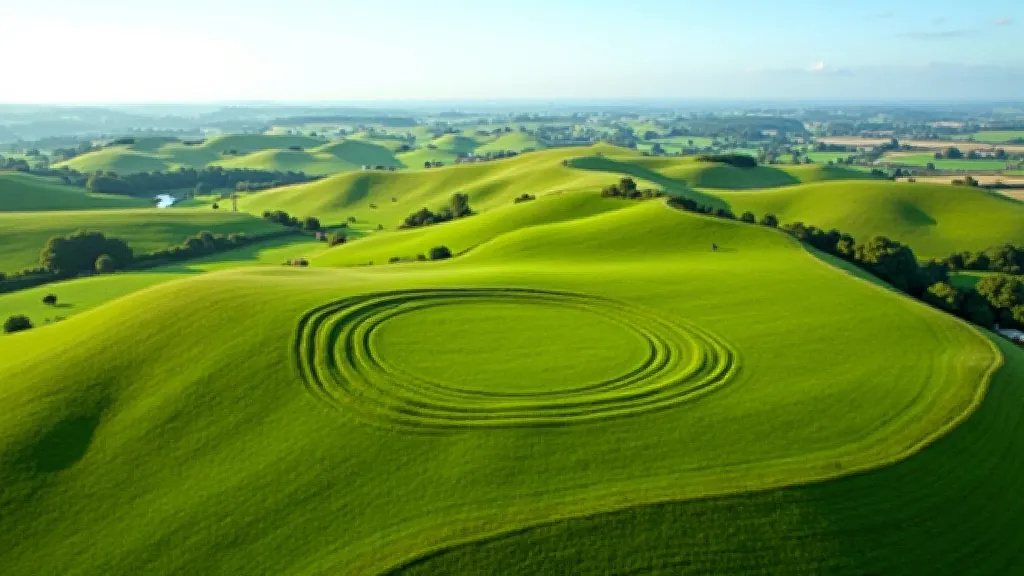
Understanding the Royal Enclosure at Hill of Tara
Learn what makes this 5,000-year-old site so significant. We break down the main structures and what you're actually looking at when you walk the enclosure.
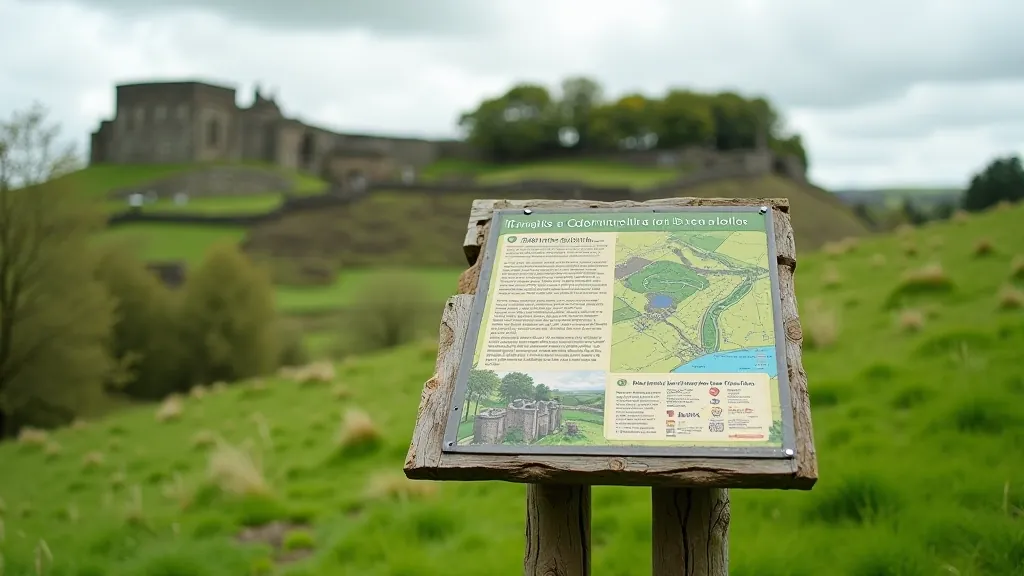
Everything you need to know before you go — parking spots that won't require extra walking, facilities on-site, and when it's least crowded.

You don't need to overthink this. The Hill of Tara's got straightforward parking, accessible facilities, and visitor support right there when you arrive. We're talking easy access — no hidden surprises or long walks from the car park to the main site. Most visitors spend 2 to 3 hours exploring, though you can keep it shorter if you want. The key thing? Coming prepared. That means knowing the opening hours, understanding where to park, and what facilities you'll actually find on-site.
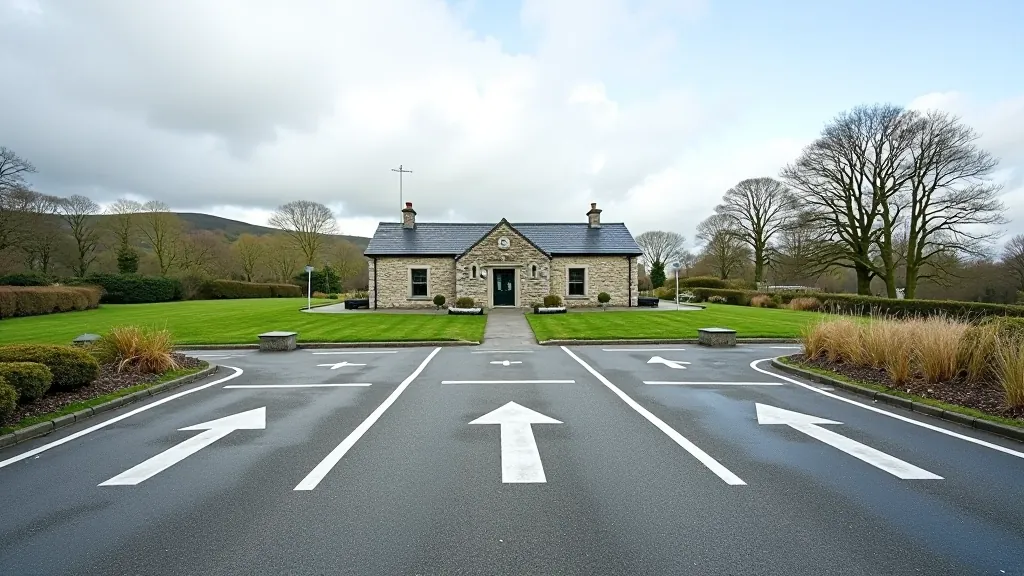
The main car park sits right at the site entrance. You'll find it well-signposted from the road — it's not tucked away or hidden. There's dedicated accessible parking spaces marked clearly, positioned closest to the visitor entrance. Don't have to hike across gravel or steep terrain to get started.
120+ spaces, free parking. Accessible spaces available. Flat, paved surface. Open year-round during visitor hours.
Dedicated drop-off zone at site entrance for visitors with mobility challenges. Vehicle can wait while passenger disembarks.
Surfaces are maintained regularly. Winter months can get wet, so watch for puddles. The walk from car park to main enclosure? About 200 metres on a clear path. Not steep — genuinely manageable. We've seen visitors in their 80s walk it without difficulty.

The site's open 9 AM to 5 PM most days. Hours shift seasonally — winter months close earlier (4 PM), summer extends to 6 PM. It's closed Mondays from October through March. Check ahead if you're planning a winter visit.
April–September: 9 AM–6 PM daily. Longest daylight, busier crowds. Early morning (before 10 AM) is quietest.
October–March: 9 AM–4 PM. Closed Mondays. Fewer visitors, shorter daylight. Bring a torch if visiting late afternoon.
Weekday mornings (Tue–Thu, before noon). Rainy days also see fewer crowds. School holidays get busy — plan accordingly.
We recommend arriving by 2 PM if you're visiting in winter. Gives you solid time before closing. Summer? You've got more flexibility. Last admission is usually 30 minutes before closing time.
The visitor centre is modern and well-equipped. You'll find proper facilities here — not a portacabin or basic setup. It's built for comfort and accessibility.
Clean, accessible bathrooms with grab rails. Separate male and female facilities. Open during visitor hours.
Café area with tea, coffee, light snacks. Not a restaurant, but adequate for a quick break. Seating available indoors and out.
Interactive displays, maps, historical information. Staff on-site to answer questions. Gift shop with books and souvenirs.
Wheelchair-accessible visitor centre. Accessible paths through main enclosure. Mobility aids (walkers, canes) fully supported.
Multiple benches throughout the site. Shaded areas available. Good spots to rest without leaving the trails.
Mobile signal available at visitor centre and main areas. Some dead zones on outer trails — don't rely entirely on GPS.


This guide provides general information about visiting the Hill of Tara and its facilities. Opening hours, parking arrangements, and available facilities can change seasonally or due to maintenance. We recommend checking the official Hill of Tara website or contacting the visitor centre directly before your visit for the most current information. Conditions on-site vary by weather — always wear appropriate footwear and dress for changing weather. If you have specific accessibility requirements or mobility concerns, it's worth contacting the site directly to discuss your needs.
Tara's straightforward to visit. Park easily, use the facilities without worry, and spend your time actually exploring — not hunting for bathrooms or figuring out parking logistics. Come mid-morning on a weekday if you want it quiet. Come summer afternoon if you don't mind more people. Either way, you'll have a proper experience of one of Ireland's most important ancient sites. The 2,000-year history is worth the trip. The accessible facilities mean you can actually enjoy it without stress.